Loading...

Bangladesh Heritage Bliss 4 Day Private North Bengal Tour

Bangladesh Heritage Bliss 4 Day Private North Bengal Tour | Book Now
Thumbnail 1
Thumbnail 2
Thumbnail 3
Thumbnail 4
Thumbnail 5
Thumbnail 6
See More
Bangladesh Heritage Bliss 4 Day Private North Bengal Tour
Duration
4 days
Product Code: 366MH0058

Overview

Embark on an unforgettable cultural journey through North Bengal with the Bangladesh Heritage Bliss 4 Day Private North Bengal Tour, curated exclusively by Mam Holidays. This 4-day private expedition offers an immersive experience into Bangladesh’s historical heart, combining ancient archaeology, religious landmarks, and serene landscapes. Begin in Dhaka and journey through Dinajpur, Bogra, and Rajshahi—three of the most heritage-rich regions in the country. From the mythical legends of Behula Lakshindar and the ancient ruins of Mahasthangarh to the majestic Kantajew Temple, Sompur Mahavihara, and the beautifully preserved Kusumba and Bagha Mosques, every destination reveals layers of Bangladesh’s past. Along the way, you’ll discover sites steeped in folklore, Islamic and Hindu architecture, and rare relics at the Varendra Museum.

This North Bengal travel itinerary is ideal for those seeking a deep dive into Bangladesh’s cultural roots. Whether it’s your first visit or a return to explore beyond the usual, the Bangladesh Heritage Bliss 4 Day Private North Bengal Tour offers an authentic and enriching experience with local guides, comfortable accommodations, and seamless logistics.


Tour Highlights:

  • Visit Mahasthangarh, one of South Asia’s oldest archaeological sites
  • Explore the myth of Behula Lakshindar Basor Ghor
  • Discover terracotta artistry at Kantajew Temple and Bagha Mosque
  • Tour the UNESCO World Heritage Site Sompur Mahavihara
  • Walk through historic Islamic landmarks in Gaur: Chhoto Sona Mosque, Tahkhana Complex
  • Visit Kusumba Mosque, made entirely of stone
  • Dive into ancient relics at Varendra Research Museum
  • Explore the elegant Puthia Temple Complex
  • Enjoy a scenic cultural road trip through Dinajpur, Bogra, and Rajshahi

Tour Amenities

Any amendments can be made up to 24 hours before the tour starts.

The sightseeing will proceed according to the itinerary.

Confirmation will be received at time of booking.

We offer 24/7 global customer support.

This is a private tour for you and your group only.

Included

Pick-up from your Dhaka hotel/ Dhaka International Airport.

The English-speaking tour guide during the sightseeing tour.

Transportation: Private air-conditioned vehicle for a comfortable tour.

All entrance fees for attractions are included.

Daily Breakfast.

4 Nights Accommodation (3-star hotels).

Drop-off at your Dhaka hotel/ Dhaka International Airport.

Excluded

Personal expenses are not included.

Tour Plan

Day 1 – Pickup and Dhaka to Dinajpur: Origins of Civilization

Your journey begins early in the morning with a convenient pickup from your Dhaka hotel or Dhaka airport at 7:00 AM. Set out on a scenic drive northwest toward Dinajpur, the gateway to the ancient heritage of North Bengal. As you leave the bustling capital behind, you’ll traverse lush rural landscapes, dotted with rivers and farmlands, setting the tone for a day steeped in history and myth. This first day is designed to immerse you in the origins of Bangladesh’s civilization, uncovering archaeological wonders and legendary folklore that have shaped the cultural fabric of the region over millennia.

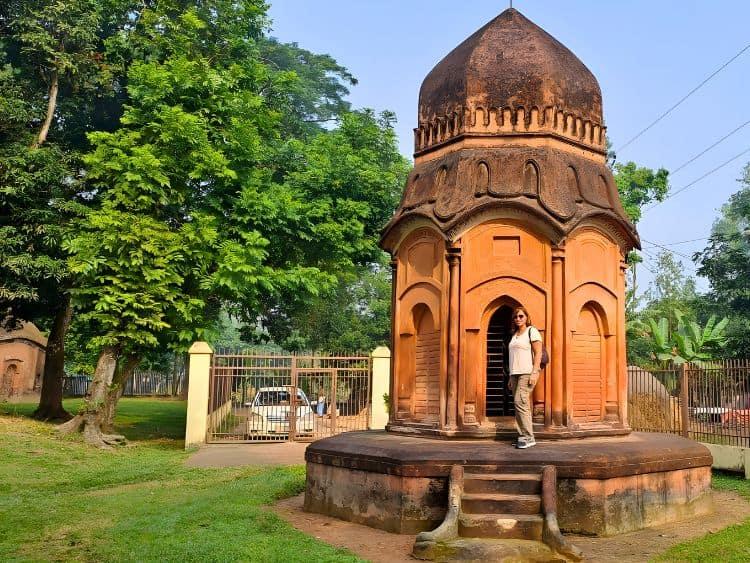
Navaratna Temple

Your first stop is the remarkable Navaratna Temple, an architectural gem dating back to the late medieval period. The temple’s name—“Navaratna,” meaning nine jewels—refers to its distinctive nine spires that rise gracefully from its roof, symbolizing celestial harmony. Dedicated to the fierce yet benevolent Hindu goddess Kali, the temple is a vibrant expression of devotion and artistic mastery. Its walls and pillars are adorned with intricately carved terracotta panels, illustrating mythological episodes such as the battles of gods and demons, stories from the epics, and scenes of daily village life. The temple’s symmetrical layout and balanced proportions highlight the sophisticated craftsmanship and architectural knowledge of Bengal’s artisans during that era. Visitors often marvel at how the temple blends spiritual symbolism with aesthetic beauty, standing as a testament to the religious fervor and cultural creativity of the region’s medieval communities.

Behula Lakshindar Basor Ghor

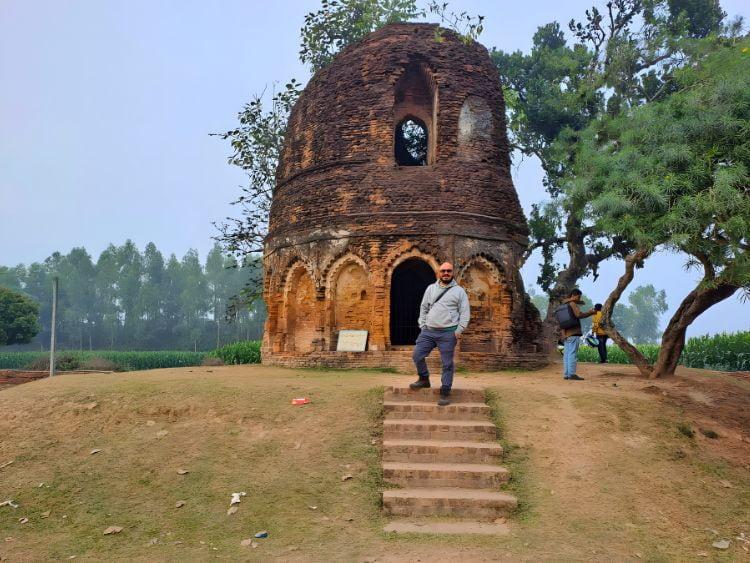
Next, you will visit the Behula Lakshindar Basor Ghor, a site deeply entwined with Bengali mythology and folklore. This rustic stone chamber is believed to be the bridal room of Behula and Lakshindar, the tragic yet heroic couple from the celebrated Manasamangal epic—a poetic saga that celebrates love, devotion, and the triumph over adversity. Behula’s story is iconic in Bengali culture: she famously braved divine wrath and supernatural forces to bring her husband Lakshindar back to life. The Basor Ghor (bridal chamber) serves as a physical and symbolic monument to this enduring tale of loyalty and faith. Surrounded by quiet rural landscapes, the chamber’s weathered stones and simple structure evoke the timelessness of oral tradition, making this stop a captivating blend of history, mythology, and cultural identity.

Mahasthangarh

Your journey continues to Mahasthangarh, one of the oldest and most significant archaeological sites in South Asia. Dating back to at least the 3rd century BCE, this sprawling fortified city was once the capital of the ancient kingdom of Pundranagar, making it a key center of political power and cultural development. Mahasthangarh is characterized by massive earthen ramparts, ancient gates, and extensive ruins scattered across the site. Visitors can explore remnants of defensive walls, residential quarters, temples, and a citadel, which collectively narrate a story of urban life from the Mauryan and Gupta periods through medieval times. The site’s layered history reveals the evolution of urban planning, trade, and governance in early Bengal. Archaeological finds such as pottery, coins, inscriptions, and sculptures provide invaluable insights into the daily lives and beliefs of its ancient inhabitants. Walking through Mahasthangarh, you can almost feel the pulse of a civilization that laid foundational stones for Bangladesh’s rich historical legacy.

Govinda Bhita

Just a short distance from Mahasthangarh lies Govinda Bhita, a quieter but equally intriguing archaeological site. The ruins here are believed to be the remains of a Hindu-Buddhist temple complex, underscoring the religious diversity and syncretism that flourished in ancient Bengal. The site features remnants of foundation walls, intricately patterned brickwork, and platforms that once supported sanctuaries. The artistic style reflects influences from both Hindu and Buddhist traditions, illustrating a period when religious coexistence was expressed through shared sacred spaces. Govinda Bhita’s peaceful ambiance offers visitors a contemplative experience, encouraging reflection on the spiritual dimensions of Bengal’s past. The site’s significance lies not only in its architectural remains but also in its testament to the cultural and religious dialogues that shaped the region.

Overnight in Dinajpur hotel

After a day of exploring North Bengal’s cradle of civilization, relax in the comfort of your hotel in Dinajpur. Enjoy traditional Bengali hospitality and prepare for the next day’s journey deeper into the heart of Bangladesh’s historical and cultural treasures.

Day 2 – Dinajpur to Bogra: Lakes, Temples & Monasteries

After a restful night in Dinajpur, your second day begins with a scenic journey toward Bogra, weaving through the lush landscapes and timeless landmarks of North Bengal. This day is dedicated to exploring the spiritual and artistic essence of the region—where Hindu, Islamic, and Buddhist architecture stand as testaments to centuries of cultural coexistence and devotion.

Ramsagar Lake

Your first stop is Ramsagar Lake, the largest manmade lake in Bangladesh. Constructed in the mid-18th century under the patronage of King Ram Nath, this expansive reservoir spans over 1,000 meters in length and was originally built to supply water to the surrounding villages. Today, Ramsagar serves not only as a historic engineering marvel but also as a peaceful escape into nature. Set within a protected national park, the lake is surrounded by open green fields, palm trees, and migratory birds, making it a haven for photographers and nature lovers. Visitors can enjoy light walks, boat rides, or simply soak in the calm atmosphere. It’s a perfect blend of heritage and serenity—offering insight into how ancient Bengal harmonized utility with beauty.

Kantajew Temple

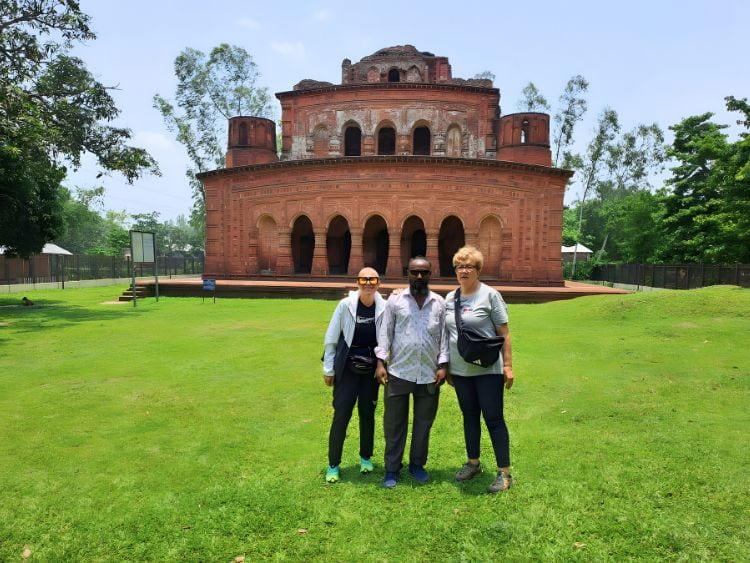
Next, you’ll visit one of the crown jewels of North Bengal—the Kantajew Temple, also known as Kantanagar Temple. Built between 1704 and 1752 by Maharaja Pran Nath and later completed by his son, this temple is an outstanding example of Bengal's terracotta temple architecture at its peak. Dedicated to Lord Krishna, the temple once had nine ornate spires (Navaratna), which were unfortunately destroyed in an earthquake in the 19th century. Despite this loss, the temple remains breathtaking in its artistry. Its entire exterior is covered with thousands of intricately detailed terracotta tiles, narrating epic scenes from the Ramayana, Mahabharata, and various phases of rural Bengali life—making it a visual encyclopedia of religious, social, and cultural expressions. Every square inch of this temple reflects the devotion, creativity, and skilled craftsmanship of its era, earning it a reputation as one of the most magnificent temples in Bangladesh.

Nayabad Mosque

Just a short distance from the Kantajew Temple lies a lesser-known but culturally significant site—the Nayabad Mosque. Built in 1793 by Persian artisans, this mosque was commissioned to serve the Muslim craftsmen who were involved in the construction of Kantajew Temple. This unique connection between Islamic and Hindu architectural heritage stands as a symbol of North Bengal’s multicultural harmony. The mosque’s design is modest yet elegant. It features three domes, pointed arches, and decorative niches that exhibit subtle Mughal influence. Its peaceful setting in a rural village enhances its charm, offering visitors a quiet place for reflection and appreciation of the diverse faiths that have coexisted in this region for centuries. The Nayabad Mosque is not only a historical structure but a reminder of how art and faith transcended religious boundaries during Bengal’s golden age of craftsmanship.

Sompur Mahavihara

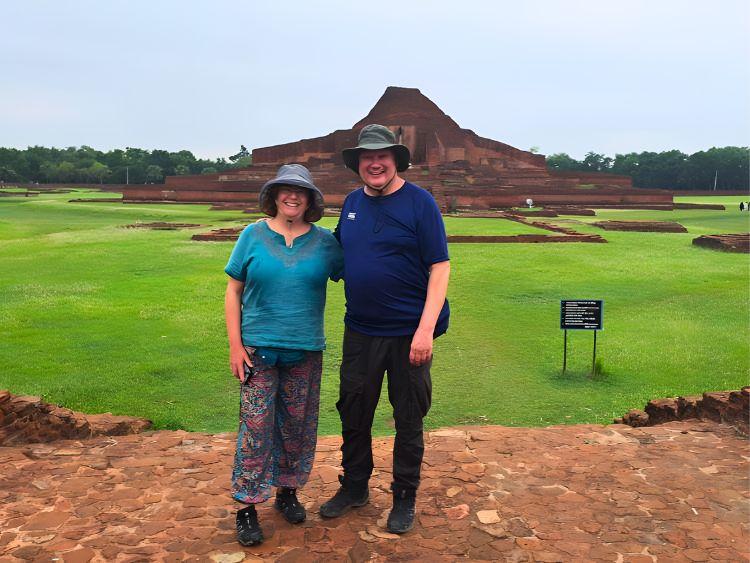
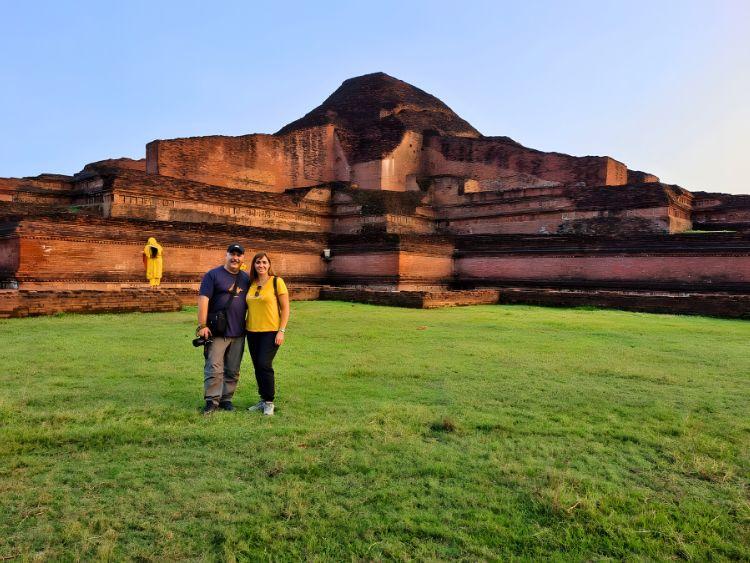
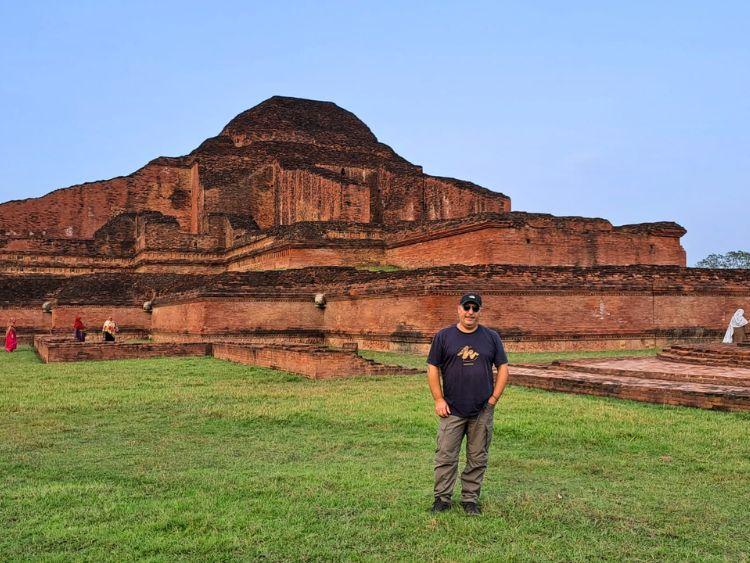
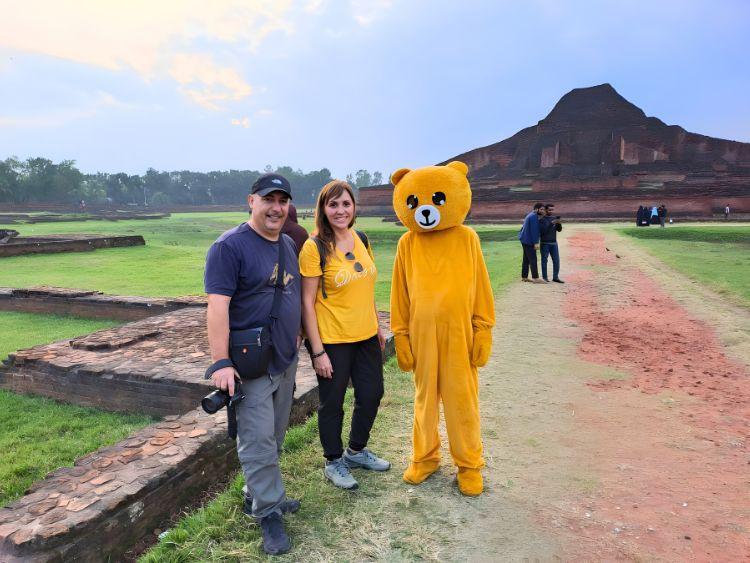
As the day progresses, you will arrive at Sompur Mahavihara, located in Paharpur, near Bogra. This sprawling archaeological site is a UNESCO World Heritage Site and one of the most important Buddhist monastic complexes in South Asia. Built in the late 8th century by Dharmapala, the second ruler of the Pala dynasty, Sompur Mahavihara once served as a major center of Buddhist learning and scholarship. The monastery is laid out in a vast square pattern, covering over 27 acres, with a massive central stupa rising from the middle. Surrounding the stupa are 177 monk cells, prayer halls, meditation rooms, shrines, and water reservoirs—all enclosed within high boundary walls. Excavated relics, including terracotta plaques, votive stupas, and ancient scripts, reflect a rich intellectual and spiritual culture that once attracted monks and students from as far away as China, Tibet, and Southeast Asia. Walking through the open courtyards and sacred chambers of Sompur Mahavihara, you’ll feel the enduring legacy of a monastic institution that shaped religious discourse and academic thought across the Indian subcontinent for centuries. The site’s silent ruins speak volumes about the peaceful pursuit of knowledge, and its design influenced Buddhist architecture throughout Asia.

Overnight in Bogra Hotel

After a day immersed in lakeside serenity, artistic grandeur, and spiritual history, check in to your comfortable hotel in Bogra. Relax, reflect, and prepare for the next phase of your North Bengal journey, which will take you into the majestic Islamic monuments and dynastic cities of Rajshahi.

Day 3 – Bogra to Rajshahi: Stones, Domes & Dynasties

Today’s journey is a deep dive into the Islamic architectural splendor of medieval Bengal. As you travel from Bogra to Rajshahi, you’ll explore a collection of intricately built mosques, palatial complexes, and forgotten cities once ruled by powerful sultans and governors. This day brings you face to face with Bengal’s Islamic dynastic legacy, where artistry and devotion converge in breathtaking harmony.

Kusumba Mosque

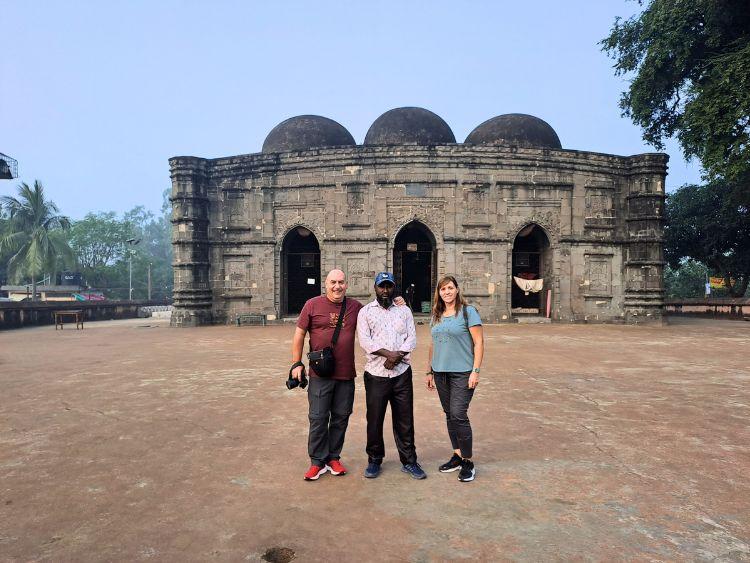
Nestled in the quiet village of Kusumba, this stunning 16th-century mosque was built in 1558 during the rule of Ghiyasuddin Bahadur Shah. Unlike most mosques in Bangladesh, which were constructed using bricks and terracotta, the Kusumba Mosque stands out for being built almost entirely from dark basalt stone—giving it a commanding, fortress-like presence. Despite its modest size, the mosque impresses with its symmetrical arches, beautifully engraved mihrabs, and delicate floral and geometric motifs carved into the stone walls. It’s a rare surviving example of Sultani-era stone architecture and serves as a quiet but powerful reminder of Islamic Bengal’s craftsmanship and religious devotion.

Chhoto Sona Mosque

Located in the historic ruins of Gaur, once the capital of medieval Bengal, the Chhoto Sona Mosque (meaning "Small Golden Mosque") is a masterwork of pre-Mughal Islamic architecture. Built in the 15th century under the patronage of Sultan Alauddin Hussain Shah, the mosque earned its name from the golden gilding that once adorned its domes. Although the gold is long gone, the mosque’s beauty remains intact—featuring terracotta floral decorations, stone lattice windows, and a five-domed prayer hall. The mosque is surrounded by lush greenery, offering a peaceful environment for visitors to admire its grandeur. It’s one of the finest preserved structures from the Bengal Sultanate period.

Tahkhana Complex

Translating to "cold chamber" in Persian, the Tahkhana Complex is a unique architectural ensemble built by Shah Shuja, a Mughal prince and governor of Bengal. Perched beside the Dafe-ul-Balah Lake, the complex was constructed as a winter retreat and includes a two-story residence, mosque, and hammam (Turkish-style bathhouse). The structure’s thick walls and large arched halls were designed to stay cool in the summer and warm in the winter—demonstrating early Mughal innovation in climate-adaptive architecture. The picturesque setting and historic relevance of this royal residence make it an essential stop for understanding the luxurious lifestyle of Mughal elites in Bengal.

Darasbari Mosque

Located in the historic city of Gaur, the Darasbari Mosque is one of the most significant yet often overlooked monuments of medieval Islamic Bengal. Built in 1479 by Sultan Shamsuddin Yusuf Shah, the mosque derives its name from the Persian word "Darasbari", meaning “place of learning.” This dual-purpose complex served both as a mosque and madrasa, emphasizing the close connection between religious worship and Islamic education during the Sultanate period. The architectural design is impressive in scale and intention. Although many of its original 24 domes have collapsed, the structural skeleton of the mosque still reveals its former grandeur. High pointed arches, wide corridors, and thick brick walls characterize the building, while fragments of decorative terracotta tiles hint at the artistic sophistication of its original form. The open central courtyard and large prayer hall reflect a design optimized for both communal prayer and scholarly instruction. Standing within its quiet and partially ruined premises today, visitors can still sense the intellectual and spiritual vibrancy that once echoed within its walls. Darasbari Mosque remains a powerful symbol of the Sultanate’s efforts to integrate religion, learning, and architecture in a single harmonious space.

Chika Mosque

A short distance from Darasbari stands the more modest yet equally intriguing Chika Mosque, believed to have been constructed earlier during the 15th century. Unlike its grander neighbor, this mosque is smaller in scale and simpler in layout, but it holds a special place in the architectural narrative of Gaur. The name “Chika” is derived from the Bengali word for bats, referencing the creatures that once inhabited its interior. The Chika Mosque is notable for its squat, singular dome, supported by thick load-bearing brick walls. Its robust, compact construction gives it a fortress-like appearance, and the lack of elaborate ornamentation is compensated by the purity and strength of its form. Though the building is partially in ruins, the remaining structure offers a fascinating glimpse into early Islamic brickwork techniques and the minimalist aesthetic of provincial mosques in Bengal’s medieval period. Surrounded by a quiet, rural landscape, the Chika Mosque invites visitors to step away from the larger monuments and experience the intimacy and solitude of a simpler time. Its enduring presence, despite centuries of wear, speaks to the resilience and adaptability of Islamic architecture in North Bengal.

Overnight in Rajshahi Hotel

After a day immersed in ancient cities and dynastic glory, settle into your comfortable hotel in Rajshahi. Enjoy a restful evening in this historic city by the Padma River, as you prepare for the final leg of your North Bengal heritage journey.

Day 4 – Rajshahi to Dhaka: Temples, Museums & Memories

Wrap up your journey with spiritual architecture, rare museum collections, and a scenic return to Dhaka. This day offers a final taste of Bengal's layered legacy before departure, connecting you to centuries of artistry, devotion, and cultural brilliance.

Varendra Research Museum

Founded in 1910, the Varendra Research Museum is one of the oldest and most respected museums in Bangladesh. Operated by Rajshahi University, it features rare collections of stone sculptures, copper plates, Sanskrit manuscripts, and Islamic calligraphy. This museum offers a comprehensive glimpse into Bengal's Buddhist, Hindu, and Islamic periods, making it a key stop for anyone interested in the region’s layered past.

Puthia Temple Complex

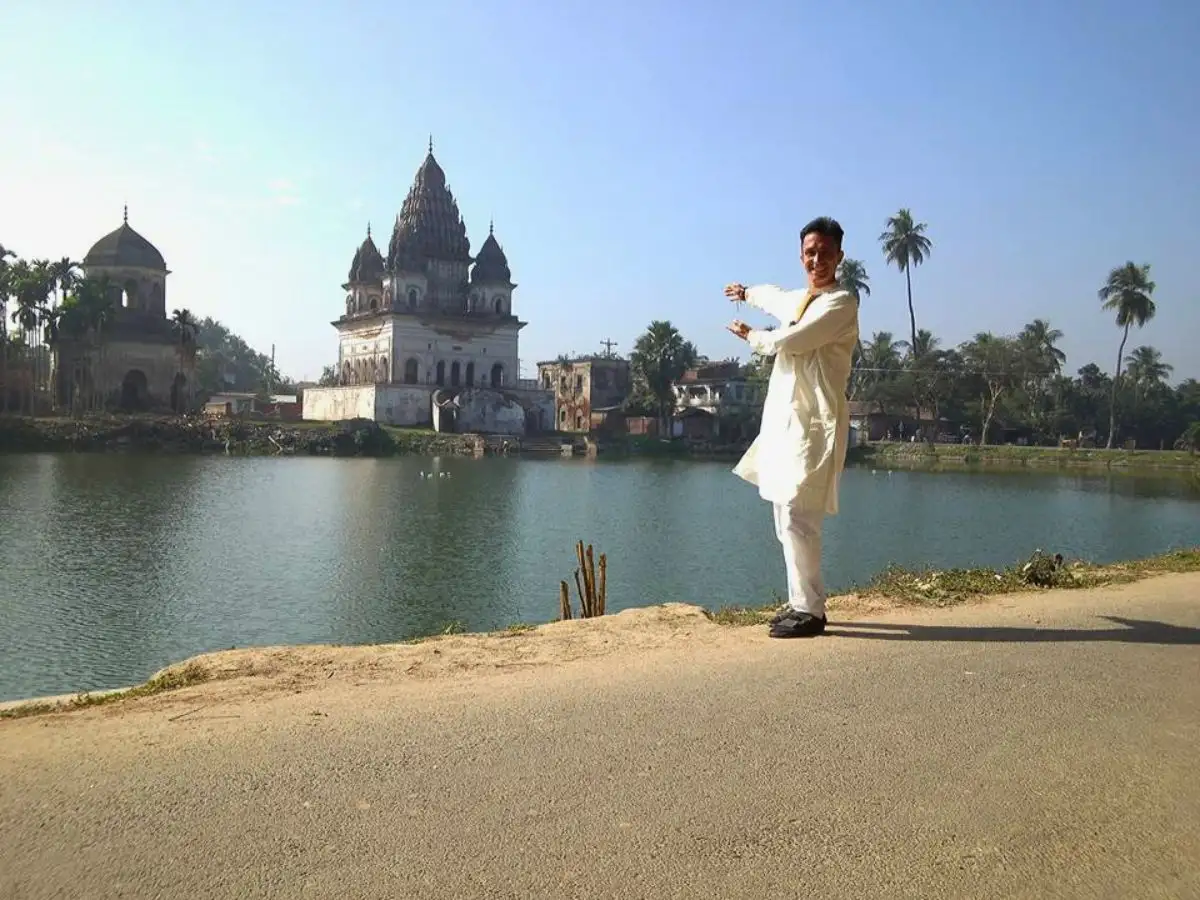
The Puthia Temple Complex is a jewel of Hindu temple architecture in Bangladesh. Situated near Rajshahi, this site houses an impressive cluster of ornate temples—including the Govinda Temple and Shiva Temple—surrounded by tranquil ponds and open courtyards. The terracotta ornamentation and grand facades reflect the artistry and religious fervor of the Rajshahi zamindars. It's a peaceful yet powerful visual and spiritual experience.

Bagha Mosque

Built in 1523 by Sultan Nusrat Shah, the Bagha Mosque is renowned for its stunning terracotta decoration and symmetrical architecture. Located in a serene setting, the mosque features four corner towers, arched entrances, and an intricately designed prayer hall. The surrounding pond and gardens enhance its picturesque charm. It's a fitting final stop on your North Bengal heritage route, showcasing the fusion of faith and art in Islamic Bengal.

Return to Dhaka

After a day filled with reflection, architecture, and culture, begin your comfortable return journey from Rajshahi to Dhaka. The drive takes you back through the peaceful countryside of North Bengal, offering a moment to absorb the memories made throughout the tour.

Drop-Off: Between 8:00 PM – 9:00 PM at Your Hotel or Dhaka Airport

Upon arrival in Dhaka, you will be dropped off at your preferred location, either your Dhaka hotel or directly at the Dhaka International Airport (Hazrat Shahjalal International Airport), between 8:00 PM and 9:00 PM. Whether you're continuing your stay in Bangladesh or catching a flight home, your journey concludes with warm hospitality and heartfelt thanks from our team. We hope this heritage experience leaves you inspired and more connected to the timeless stories of North Bengal.

Why Choose Our 4-Day Private North Bengal Tour?

  • Privately guided tour with personalized service
  • All major heritage attractions covered, including UNESCO sites
  • Comfortable transportation with hotel pickup and drop-off
  • Authentic local experiences in Dinajpur, Bogra, and Rajshahi
  • Insightful storytelling from experienced local guides
  • A perfectly curated North Bengal travel itinerary
  • Hassle-free logistics with pre-arranged stays and entries
  • An excellent mix of historical, religious, and cultural landmarks
  • Ideal for history buffs, culture lovers, and offbeat destination seekers

Book Your 4-Day Private North Bengal Tour Today!

Explore the roots of Bengal’s civilization and unravel its mythologies, religions, and empires across four immersive days. Whether you’re a culture lover, photographer, historian, or traveler seeking a deeper connection to Bangladesh’s past, this private tour offers a comprehensive experience. Mam Holidays ensures smooth travel, expert guides, and the perfect blend of ancient sites and local charm. Reserve your private journey now to unlock the true essence of North Bengal.

Starting $360 per person

* Price varies by group size

Lowest Price Guarantee

Select Date, Time

Select Adults (11-99 Years)

Tickets:


Price:

$

(Children under 4 years old and 1.2m in height can join with a parent for free.)

Free cancellation up to 3 days in advance. 5% processing fee is non-refundable.

Click For Support

You might also like...

Reviews (3)

Verified Reviews You Can Trust

Klaus B

Source Trip Advisor

A short, but rewarding, trip to Bangladesh

I’m glad I took this trip which was very well organized by MAM Holidays. My driver spoke very little English, but the main thing was that he was extremely able to deal with the, let’s say, “inventive” driving on the roads and streets of Bangladesh. He was helpful and willing to stop for me to take photos. My guide spoke good English and took good care of any requests that I had. Essentially he was able to communicate with locals where I was not in command of the language. Whether with my guide or in my own I was safe at all times. You will probably meet very few foreigners, but the friendly people of Bangladesh will do everything they can to make you feel welcome.

Written April 23, 2025


Irina C

Source Trip Advisor

The True Bangladesh, a great experience with MAM

We booked this 4 days tour with MAM and we added a full day Dhaka tour with Sonargaon and Panam City and a visit to Cumilla, in fact a 7 days archaeological tour and our experience was above expetations. Our guide Nizam was extremly helpuful, knowledgeable and kind and the driver an excellent one, we didn't miss any objective, more they suggested us new places to explore, they tok us a lot of pictures and they have chosen for us the best local restaurants - the Banladeshi food is amazing! The agency was very cooperative respecting all our requests regarding the itinerary - in fact we booked 3 tours in one! - and accomodation. Respect same time friendly attitude, professionalism and one of the best staff I ever met during our travels in more than 150 countries. Thank you, MAM, for let us know the true Bangladesh during an unforgettable 7 days experience!.

Written July 29, 2023


Karin B

Source Trip Advisor

Amazing experience

The trip was a wonderful experience on so many levels. Getting to visit the archaeological sites in North Bangal was amazing. Some of the Hindu Temples and Mosques are still in very good shape and you marvel at the craftsmanship. You also learn a lot of local and national history. The team from MAM Holidays Bangladesh worked very hard to make this an experience of a life time. They took excellent care of us. And yes, we felt perfectly safe on this trip (a lot of our friends have been wondering about that, so I will volunteer this information here). In addition to visiting archaeological sites in North Bengal, you also get a close look at the local culture. We were able to see how the rural population lives, and experienced the openness and friendliness of the rural communities. Last, not least, you get to taste the local cuisine in what is considered middle class restaurants. The curries are superb. Overall, I highly recommend this trip for the lover of history and archaeology. We were so happy about our experience that we will book with MAM Holidays anytime we are in the area and want to take a trip.

Written October 10, 2018


See All Reviews on Viator

See All Reviews on Trip Advisor